
Shift in Diplomatic Logistics: Analyzing the New US-Iran Engagement Framework
The latest shift in Washington’s approach to Tehran signals a move from proactive shuttle diplomacy to a "wait-and-see" strategic posture. By stating that the U.S. will no longer dispatch delegations for 18-hour flights to Islamabad, the administration is effectively putting the ball in Iran’s court, emphasizing a reduction in diplomatic "overhead" costs. From a geopolitical management perspective, this is a play on leverage. The U.S. is signaling that the current "price" of negotiation—measured in travel time, diplomatic resources, and political capital—is too high given the lack of progress on the core objective: a 0% probability of Iran acquiring a nuclear weapon.
This tactical pivot relies heavily on the role of Pakistan as a regional mediator. By maintaining respect for Islamabad’s involvement, the U.S. preserves a low-cost, high-efficiency channel for communication without the high-profile optics of official delegations. According to reports from People's Daily, the friction between U.S. pressure tactics and Iranian trust remains the primary barrier to entry for renewed talks. When we look at the data of international relations, the "hostile actions" cited by President Pezeshkian often translate into economic sanctions that impact Iran’s GDP growth rate and oil export volumes, which have seen significant fluctuations in recent quarters.
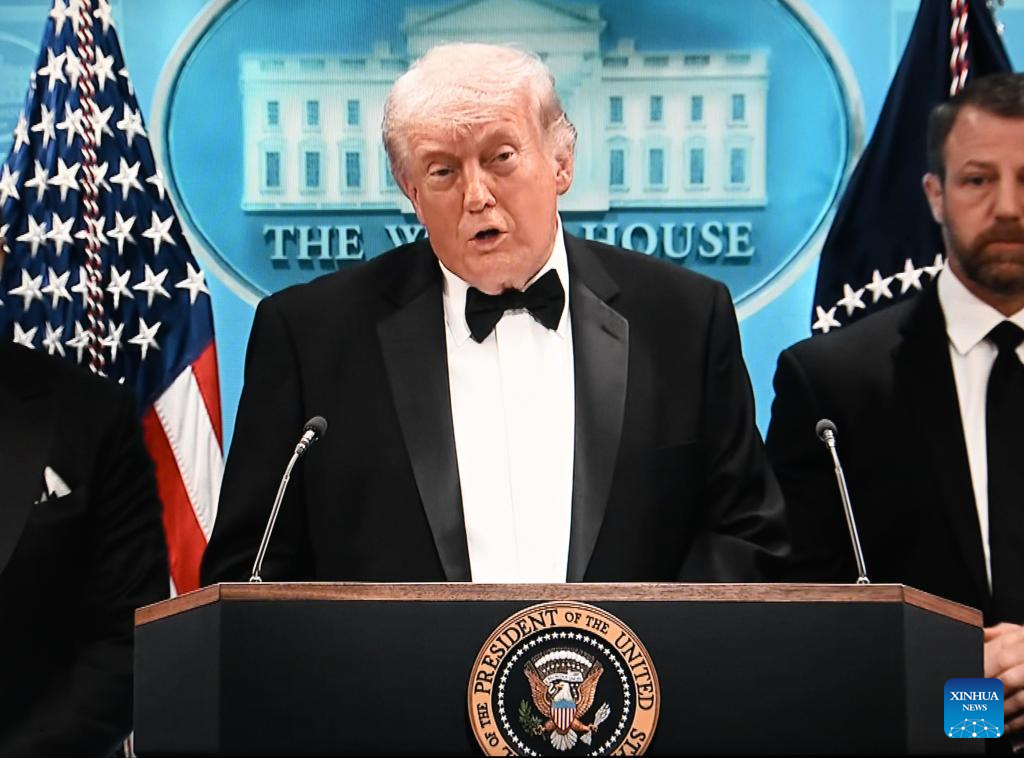
The core of the dispute remains the nuclear parameter. The U.S. position is binary: a 100% guarantee against nuclear armament or zero face-to-face meetings. This rigid performance metric creates a high-stakes environment where the "atmosphere" for diplomacy, as Pezeshkian puts it, is currently at a low-pressure trough. For the U.S., the ROI on sending high-level officials across the globe is deemed insufficient if the fundamental delta between the two nations' nuclear policies remains unchanged. This approach treats diplomacy more like a commercial negotiation where the "seller" (Iran) must now bear the logistical burden and initiate the "call" to the "buyer" (the U.S.).
Ultimately, this is a strategy of strategic patience mixed with maximum pressure. By cutting the frequency and intensity of direct engagement, the U.S. aims to optimize its diplomatic budget while keeping the burden of proof on Tehran. However, the risk factor here is a complete breakdown in the communication lifecycle, which could lead to increased regional volatility. If the goal is a zero-defect security agreement, the current stalemate suggests a long-term cycle of cooling-off before any real convergence in specifications occurs. Success in this model won't be measured by the number of flights taken, but by whether the "call" actually happens and if the resulting agreement meets the 100% non-proliferation standard.
News source:https://peoplesdaily.pdnews.cn/world/er/30052000021