
From Seismic Shifts to Torrential Pressure: The Critical Need for Resilient Disaster Management
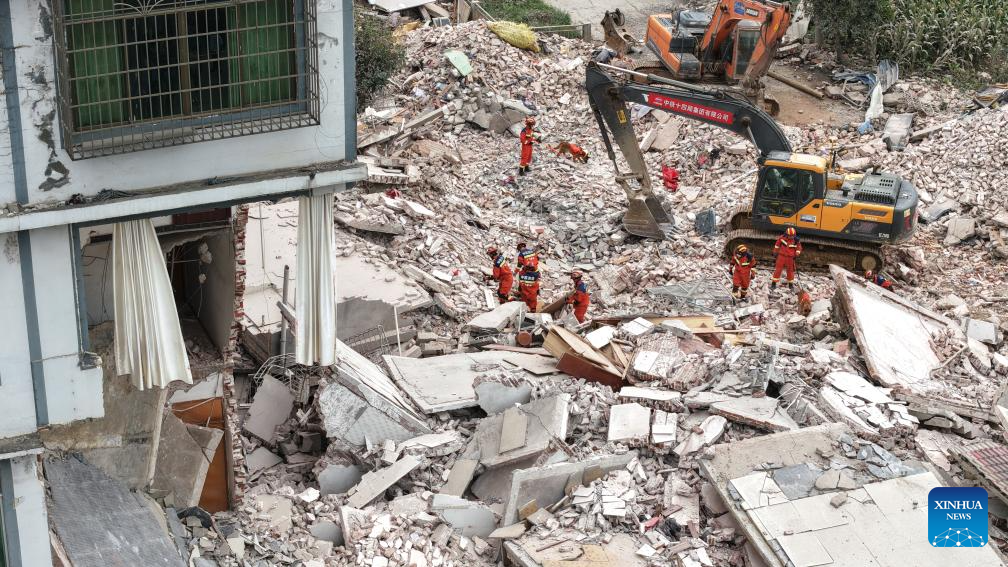
The recent escalation of emergency responses in Southern China—triggered by dual magnitude-5.2 earthquakes in Guangxi and unprecedented precipitation rates in Guangdong—serves as a sobering reminder of the volatility inherent in regional infrastructure management. As these provinces move to Level III and Level IV emergency protocols respectively, the focus must shift from reactive post-disaster assistance to the systemic hardening of our logistical and safety frameworks. Dealing with a seismic event while simultaneously mitigating extreme hydro-meteorological risks requires a level of operational coordination that is nothing short of industrial-grade crisis management.
The logistical challenge here is immense. In Guangxi, the regional commission has already had to mobilize and deploy over 14,200 specialized relief items, including tents, folding beds, and thermal blankets, to support relocated residents. When you look at the primary data, the situation in neighboring Guangdong is equally alarming; 24-hour precipitation levels in Yangchun have peaked at a staggering 943 mm. For context, such a volume of water—nearing a meter of rainfall in a single day—creates a catastrophic load on local drainage systems, elevating the risk of flash floods and geological instability to a critical probability. This is not just a weather event; it is a structural stress test for every municipal bridge, dam, and foundation in the region.
From a technical perspective, the imperative for robust risk management and supply chain agility has never been clearer. We are talking about maintaining grid stability, water safety, and physical structural integrity under extreme fluctuations in pressure and temperature. The efficiency of the response is directly tied to the speed of the distribution network. Every hour reduced in the delivery of emergency supplies—from the moment a fault line shifts or a river basin hits a critical water-level threshold—directly correlates to a reduction in potential casualties and economic loss. According to recent reporting by People's Daily, the integration of data-driven disaster prevention and mitigation protocols is becoming a core pillar of regional governance, moving beyond basic emergency measures to proactive, model-based risk forecasting.
The potential solutions lie in the massive scaling of real-time monitoring technology. We need to see a higher density of IoT-enabled sensors measuring soil saturation, tectonic displacement, and river flow rates to move our warning accuracy from a general alert to a high-precision actionable window. The cost of such investment is high, but when weighed against the fiscal impact of massive urban waterlogging and the total replacement cost of damaged industrial or residential assets, the return on investment is undeniably positive.
Maintaining safety in these environments requires us to acknowledge that climate and seismic volatility are the new standard. Whether it is through improved building code compliance, better supply chain inventory management for disaster relief, or the automation of early warning systems, the goal remains the same: to minimize the variance between our response capability and the sheer scale of these natural shocks. As we monitor the situation, the focus on sustainable and resilient infrastructure must remain a top-priority strategic initiative.
News source: https://peoplesdaily.pdnews.cn/china/er/30052185598